Have you ever received an email that looked like it was sent from a cave? You know the kind of having no name, no contact info, just a cryptic message that leaves you wondering who the sender is. This happens more often than I’d like to admit.
A staggering 64% of professionals believe that an email signature is an important aspect of business communication. It’s essential for branding, professionalism, and credibility. So, let’s find out how to write a professional email signatures together!
It not only provides essential contact information but also reflects the tone and culture of your business. First impressions matter more than ever, and your email signature is often the final touch in that impression. It can set you apart, conveying professionalism and consistency in every message you send.
Sections:
Free Generator for Email Signature
What Is an Email Signature?
When I first started using email for business, I didn’t think much about my signature. But as I learned, an email signature is essential like a digital business card. It includes your name, title, company name, and contact information. Some folks get really fancy with it, adding logos, social media links, and even inspirational quotes.
The way you make your signature can significantly impact how others perceive you. Trust me; a well-designed signature can make you look ten times more professional. So, are you ready to take your email marketing to the next level?
It’s fascinating how a simple signature for email can convey so much. A survey from HubSpot revealed that 73% of people trust emails from professionals that include a clear signature. That’s a big deal! We’re not just typing random messages here but we’re building relationships, and our signature can help us do just that.
Why Is an Email Signature Important?
Now, you might be asking, “Why do I even need a signature for email?” I used to think it was just an unnecessary formality, but let me tell you, it’s way more than that. First, it provides essential contact information. If someone wants to reach out to you, your email signature makes it super easy. They won’t have to dig through your email to find your phone number or LinkedIn profile.
Second, it serves as a branding tool. Your signature can reflect your company’s brand and values, making your emails more cohesive and professional. Here’s a fun fact: According to EmailMonday, having a branded email signature can increase your brand recognition by up to 30%. That’s right! Your emails can do the heavy lifting when it comes to making a lasting impression.
Components of a Good Email Signature
So, what goes into a stellar signature for email? In my experience, there are a few must-have components. First off, your name should be front and center. Then, your job title and company name follow closely behind.
Next, you should include your phone number and email address. If you’re feeling particularly social, don’t forget to link your social media profiles. Lastly, a professional headshot can add a personal touch.
Here’s a little checklist for you:
- Name
- Job Title
- Company Name
- Phone Number
- Email Address
- Social Media Links
- Professional Headshot
This list can help you create an effective signature for email that captures attention without overwhelming the recipient.
How to Write a Professional Signature for Email?
Alright, let’s get down to business. How do you actually write a professional signature for email? It sounds complicated, but I promise it’s easier than pie. Here’s a step-by-step guide that I swear by:
- Start with your name in a larger font to make it stand out.
- Add your job title right below your name to clarify your role.
- Include your company name to reinforce your brand identity.
- List your phone number and email address for easy access.
- Add links to your social media profiles, but keep it relevant.
- Include a professional face photo (personal) or company logo (business) for your emails.
- Don’t forget to include a catchy quote or your motto tagline to leave a lasting impression!

And just like that, you have a professional signature for email that looks sleek and polished. Trust me; it’s worth spending a few minutes on. Your future self will thank you for it!
Common Mistakes to Avoid for Email Signatures
Even after knowing how to write a signature for email, it’s easy to slip into bad habits. I’ve seen some folks make the same mistakes over and over. One major error is using a font that’s hard to read. Comic Sans? Really? Stick to clean, professional fonts like Arial or Times New Roman.
Another blunder is overcrowding your signature with too much information. You want it to be informative but not overwhelming. Think of it like a good cocktail—just the right balance of ingredients.
Here’s an overlooked blunder: using outdated information. If you change your job title or company, make sure to update your signature. It’s like wearing a 70s fashion on a business meeting, it just doesn’t fly in the professional industry anymore!
Best Practices for Email Signatures
Now that we’ve covered what to do and what not to do, let’s talk about some best practices for crafting an effective signature for email. First, make sure it’s mobile-friendly. A lot of people check their emails on their phones, so your signature should look good on all devices. I’ve learned that using a simple layout can make a big difference. Try to keep it under five lines to ensure it’s easy to read, even on small screens.
Another tip is to use colors that match your brand. Consistency is key! And if you really want to step up your email outreach, consider adding a call to action. It could be a link to your latest blog post or an invitation to connect on social media. Little things like this can really set you apart.
Tools for Creating Email Signatures
Let’s talk tools! There are several amazing tools out there that can help you design a professional signature for email without needing to know a thing about graphic design. I’ve found WiseStamp to be incredibly user-friendly. It allows you to customize your signature with templates and integrates social media icons effortlessly.
Another tool I recommend is Mail-Signatures, which provides templates specifically designed for various email clients. You’ll be amazed at how easy it is! Here’s a quick comparison table to help you choose the right tool:
| Tool | Features | Price |
|---|---|---|
| WiseStamp | Templates, Social Media Integration | Free & Paid Plans |
| Mail-Signatures | Templates for Various Email Clients | Free |
| Newoldstamp | Campaign Tracking, Analytics | Paid Plans |
Statistics About Email Signature
Did you know that emails with signatures have a 24% higher response rate? That’s significant! Also, according to research, about 75% of email users do not change their signature from the default setting.
Statistics can be a great way to underscore the importance of a well-crafted signature for email. This means there’s a golden opportunity to stand out. By investing time in your signature, you’re not just another email in someone’s inbox—you’re a professional with a brand.
Moreover, I read that 58% of people check their emails on mobile devices, so if your signature doesn’t look good on mobile, you’re missing out. All these statistics highlight just how crucial a good email signature can be for communication in today’s digital world.
Mobile-Friendly Email Signatures
These days, everyone’s glued to their phones especially entrepreneurs. I mean, who hasn’t checked their email during a boring meeting or while pretending to listen to a friend’s story (oops)? With around 58% of emails being opened on mobile devices, it’s crucial to make sure your signature for email is mobile-friendly. If it looks great on a desktop but turns into a jumbled mess on a phone, that’s no good!
So, how do we fix this? First, keep your design simple. Limit the number of lines and avoid using large images. Second, make sure your text is big enough to read on smaller screens. I once had an email signature that looked fine on my laptop, but on my phone, it was like trying to read the fine print on a legal document—yikes. Lastly, test it! Send yourself an email and check it on different devices to see how it looks. It’s a small effort that goes a long way.
HTML vs Plain Text Email Signatures
Now let’s talk about the great debate: HTML or plain text? If you’re anything like me, you probably prefer to keep things visually appealing, which makes HTML a no-brainer. HTML signatures let you add colors, fonts, logos, and links. It’s like putting on a sharp suit—you’re dressing to impress.
However, plain text signatures have their perks too. They’re compatible with every email client and load super fast. There’s no chance of broken links or missing images. But let’s be real, they’re not exactly exciting.
If you want to keep it basic and ensure everyone sees your signature correctly, plain text might be the way to go. But for those of us who enjoy a little flair (without going overboard), HTML is a solid choice.
HTML Email Signature Example
Here’s a basic HTML email signature template that you can use. It’s clean, professional, and easy to customize:
<table>
  <tr>
    <td><strong>Your Name</strong></td>
  </tr>
  <tr>
    <td>Your Job Title</td>
  </tr>
  <tr>
    <td>Your Company</td>
  </tr>
  <tr>
    <td><a href="mailto:youremail@example.com">youremail@example.com</a></td>
  </tr>
  <tr>
    <td><a href="https://www.facebook.com/in/yourprofile">Facebook Profile</a></td>
  </tr>
</table>
This simple HTML signature will look sleek and work well on various email clients. Just tweak it with your info, and you’re good to go!
Email Marketing with Your Signature
I know you’re probably thinking, “Marketing? In an email signature?” Oh yes, my friend, email signatures can be a sneaky good tool for marketing. Imagine sending out hundreds of emails a week and each one has a little link to your company’s latest blog post, product, or even an event. That’s passive marketing at its finest! Every time someone reads your email, they’re also seeing your subtle (but effective) call to action.
Consider adding a banner promoting a product or a simple link to your latest case study. If you’re in sales, a link to schedule a meeting can save you time and increase your booking rates. I’ve seen people use their signature to share a free eBook, and honestly, it works! It’s like free advertising in your everyday communication.
Different Ideas amd Examples of Email Signature by Profession
Not all email signatures are exactly the same, especially when it comes to different professions. What works for a marketer might not fly for a lawyer. So, how do you tailor your signature for email to suit your job? Easy! You adjust it based on what your profession values the most.
Email Signatures for Corporate Professionals
If you’re working in the corporate world, your email signature should scream professionalism. I’m talking about a clean design with all the basics: name, title, company, and contact info. You might also want to include your company logo to reinforce branding. Keep it minimalistic—corporate folks aren’t here for the flashy stuff.
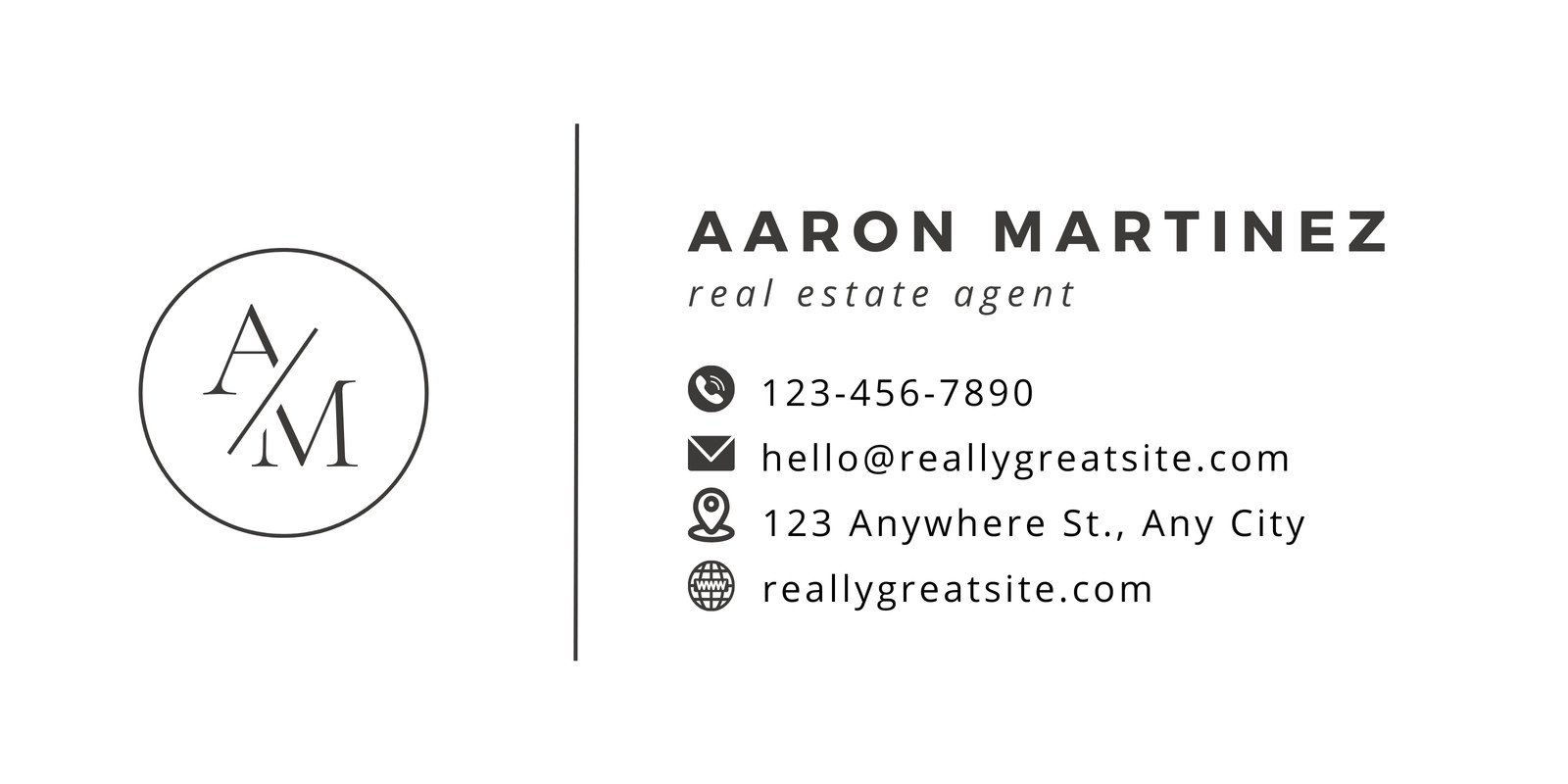
Example:
Best regards,
**John Smith**
Vice President, Marketing | ABC Corporation
📧 john.smith@abccorp.com
📞 +1 (555) 123-4567
🌐 [www.abccorp.com](http://www.abccorp.com)
Follow us:
LinkedIn | Twitter | Facebook
Confidentiality Notice: This email may contain confidential information intended solely for the recipient. Unauthorized use or disclosure is prohibited.
Key Elements:
- Professional tone
- Job title and company name clearly stated
- Corporate website and social media links
- Confidentiality notice for legal protection (often required by corporations)
Email Signatures for Freelancers
Freelancers can get a bit more creative with their signature for email. Add links to your portfolio, recent work, or even your social media profiles. You want potential clients to know who you are and what you do, so don’t be shy about including relevant details. Just make sure your signature doesn’t look like a mini-resume.

Example:
Best,
**Sarah Collins**
Freelance Copywriter & Content Strategist
📧 sarah@sarahcollinswrites.com
📞 +1 (555) 987-6543
🌐 [sarahcollinswrites.com](http://www.sarahcollinswrites.com)
[LinkedIn](https://linkedin.com/in/sarahcollins) | [Portfolio](http://sarahcollinswrites.com/portfolio)
Let’s collaborate!
Key Elements:
- Personal touch with a more casual sign-off
- Highlights services or expertise (e.g., Freelance Copywriter)
- Includes portfolio and LinkedIn links to showcase work
- Call-to-action, such as “Let’s collaborate!”
Email Signatures for Creatives
For those in creative fields, like graphic designers or photographers, your email signature is another way to showcase your talents. Add a small portfolio link or a teaser image of your work. Just don’t overdo it. Even though you’re creative, the key is still professionalism—otherwise, you risk turning your signature into an art gallery!

Example:
Cheers,
**Emily Grant**
Graphic Designer | Branding & Visual Company
📧 emily@emilygrantdesigns.com
📞 +1 (555) 321-4321
🌐 [emilygrantdesigns.com](http://www.emilygrantdesigns.com)
🖌 [Portfolio](http://emilygrantdesigns.com/portfolio) | [Instagram](http://instagram.com/emilygrantdesigns)
"Design is intelligence made visible." – Alina Wheeler
Key Elements:
- Creative quote related to design
- Showcases portfolio and Instagram for visual work
- Visual emphasis through icons or branding elements
- Slightly informal tone, fitting for the design industry
Each signature reflects the expectations and tone of the profession, whether formal, personal, or creative, while remaining professional and informative.
Customizing Email Signatures for Teams
If you work in a company, consistency in your email signature across the team can create a strong, unified brand identity. Imagine receiving emails from a company, and each one has a different, mismatched signature—it doesn’t exactly scream “cohesive team,” does it? To avoid this, many companies use signature management tools to standardize email signatures for all employees.
Jane Doe
Assistant Marketing Manager
Marketing Department
ABC Corporation
+1 (123) 456-7890 | jdoe@abccorp.com | www.abccorp.com
123 Business Street
New York, NY 10001
Some tools, like Exclaimer, allow administrators to control the signature templates for everyone in the company. This way, each signature reflects the company’s brand, and no one gets too wild with Comic Sans or random gifs.
Legal Requirements for Email Signatures
Did you know that in some countries, there are legal requirements for email signatures? I kid you not. For example, businesses in the UK are legally required to include certain details, like the company registration number and address, in their emails. So if you’re sending emails internationally, make sure you’re up to speed with the local laws to avoid any legal headaches.
Not including necessary information could land you in hot water, especially if you’re sending business-related emails. So it’s always a good idea to check your country’s specific requirements and ensure you’re compliant. Plus, it makes you look super official—like you’ve got everything under control (even if you’re barely holding it together like me most days!).
Signature for Email FAQs:
What size should my email signature be?
Your email signature should be no larger than 600 pixels wide and around 150-200 pixels tall. This ensures it looks good on most devices. Keeping it within these dimensions helps maintain a professional appearance and avoids overwhelming the recipient.
Can I include images in my email signature?
Yes, you can include images such as a company logo or a professional shot of your face. However, make sure the images are small in size to prevent slow loading times. Also, use alt text in case the recipient’s email client blocks images.
Should I include a quote in my email signature?
Including a quote is optional. If you choose to add one, make sure it aligns with your brand or personality. Keep it short and sweet so that it doesn’t clutter your signature. Avoid using controversial or overly personal quotes.
Can I use different fonts in my signature?
It’s best to stick to one or two fonts in your email signature to maintain a professional look. Instead just use bold, italic, and underline styling. Using multiple fonts can make your signature look chaotic. Always opt for easy-to-read fonts like Arial, Times New Roman, or Calibri.
How often should I update my email signature?
Regularly updating your signature ensures that your information is always accurate. I recommend reviewing and updating it at least once a quarter, especially if you change jobs, phone numbers, or social media handles.
Should I include a call to action in my email signature?
Yes, including a subtle call to action can be effective. For example, you can link to your latest blog post, a company webinar, or a personal portfolio. Just make sure the call to action isn’t too salesy; keep it professional.
Is it necessary to add social media links?
Adding social media links depends on your industry. If you’re in a field where social media presence is vital, such as marketing or public relations, it can be beneficial. Just ensure that the accounts you link to are active and professional.
Summary
Creating a signature for email may seem like a small detail, but it has the potential to make a big impact on your communication and branding efforts. From ensuring your contact information is easy to find, to promoting your company, an email signature is much more than just a formality. It’s a branding tool, a marketing opportunity, and, most importantly, a professional necessity.
- Always include key information like your name, job title, and company name.
- Keep it simple and mobile-friendly for the best results.
- Customize your signature to fit your profession or industry.
- Make sure your signature complies with any legal requirements in your country.
- Utilize tools and templates to make the process easier.
Now it’s your turn! Have you crafted the perfect email signature, or are you still using a basic one-liner? I’d love to hear your experiences, successes, or even those funny signature fails. Share your thoughts below, and let’s continue the conversation about email signatures!