With the rise of online shopping, it’s more important than ever to know how to spot a fake online store. Scammers are getting smarter, creating websites that look almost identical to legitimate shopping websites.
Knowing the difference between a fake online store and a real one can save you money and protect your personal information. Let’s some of the key signs of a fake online store and how you can identify a legitimate shopping website.
Sections:
Common Signs of a Fake Online Store
Launching fake online stores are becoming increasingly sophisticated, but there are still telltale signs that can help you spot them. These signs often revolve around the domain name, contact information, and the deals that seem too good to be true.
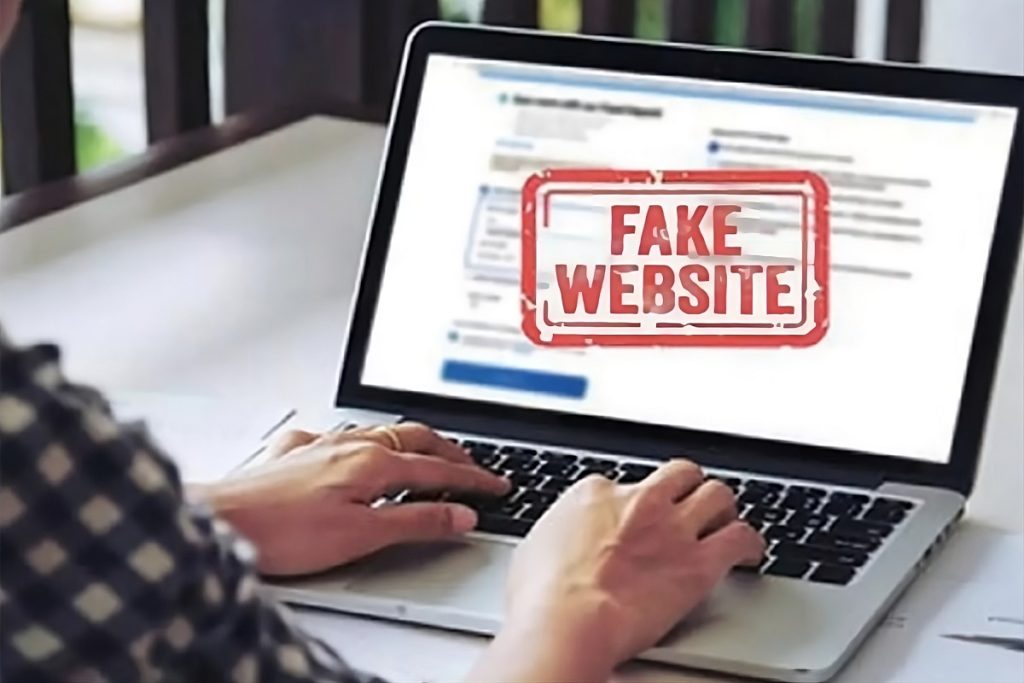
Unusual Domain Names
One of the first things to check when visiting a new online store is the domain name. Look closely at the domain name for any misspellings or extra characters. For instance, a scammer might use “amaz0n.com” instead of “amazon.com” by replacing the “o” with a zero. These small changes can be easy to miss but are clear signs of a fake website.
Also, check the address bar for a secure connection. A legitimate website will usually start with “https://” and have a padlock icon next to it. If the domain name looks strange or unfamiliar, it’s best to steer clear. For example, if you come across a site like “cheapnikeoutlet.com” instead of “nike.com,” you should be cautious.
These fake sites often try to mimic popular brands to trick consumers. Falling for these tricks can lead to financial loss and identity theft as scammers might capture your credit card details and personal information during the purchase process.
Lack of Contact Information
Another red flag of a fake online store is the lack of contact information. Legitimate shopping websites usually have clear contact information, including an email address, phone number, and physical address.
Fake online stores, on the other hand, often lack a physical address or any real contact details. If you can’t find a way to reach the company, that’s a strong sign that the store is not legitimate. Even if there is contact information, it’s a good idea to test it out. Send an email or call the phone number to see if you get a response.
For instance, a genuine online store might have a comprehensive “Contact Us” page with multiple ways to get in touch, including social media links. In contrast, a fake store might only provide an email address that bounces back or a phone number that goes unanswered. When shoppers can’t reach customer service, they often find themselves unable to resolve issues related to their orders, leading to frustration and lost money.
Too Good to Be True Prices
We all love a good deal, but if the prices on an online store seem too good to be true, they probably are. Unrealistic deals are a common tactic used by fake online stores to lure in customers. If a product is being sold for a fraction of its usual price, it might be a scam. Always compare prices with other websites to see if the deal is realistic.
Additionally, check product reviews. Fake online stores often have fake or no reviews at all. If a product has overwhelmingly positive reviews that all sound similar, it’s likely that the reviews are fake. For example, if you see a high-end laptop listed for $200 when it typically sells for $1000, it’s a major red flag.
The result of purchasing from these sites often includes receiving counterfeit goods, receiving nothing at all, or having your personal and payment information stolen, which can lead to unauthorized charges and identity theft.
Ways to Identify a Legit Shopping Website
Identifying a legitimate shopping website involves looking for certain features and characteristics that are usually present in genuine online stores. These include security seals, professional website design, and functional links.
Look for Security Seals
Trust badges and security seals are good indicators of a legitimate online store. These seals, like SSL certificates, show that the website has taken steps to secure your personal information. Look for badges from trusted security companies, such as Norton or McAfee, on the website.
Additionally, check if the website is recognized by the Better Business Bureau (BBB). The BBB rating can give you an idea of how trustworthy the website is. For instance, a secure site might display a Norton Secured badge, indicating that it has SSL encryption protecting your data.
On the other hand, a site without any security seals might expose your data to hackers. When you see these badges, it often means the site has been vetted for security, reducing the risk of your personal information being compromised.
Professional Website Design
A professional website design is another sign of a legitimate online store. Genuine online stores invest in high-quality, user-friendly designs. If the website looks outdated or poorly made, it might be a scam. Functional links are also important. Make sure all the links on the shopping site work correctly.
Broken links or links that lead to unrelated pages are red flags. Legitimate online stores will have well-organized and fully functional websites. For example, a reputable site like “BestBuy.com” has a clean, intuitive design with functioning links to different product categories and customer service pages.
Conversely, a scam site might have a cluttered design, with many broken links or pages that fail to load. When a site is professionally designed and fully operational, it typically indicates that the business is legitimate and values the user experience.
How to Spot Online Shopping Scams
Spotting online shopping scams requires vigilance and a bit of detective work. Verifying the domain and address, and checking for secure payment options are key steps in identifying scams.
Verify the Domain and Address
Always verify the domain and address of the online store. Ensure the website’s domain name and physical address are legitimate. A quick WHOIS lookup can provide information about the domain’s registration details, including the owner and registration date. This can help you determine if the website is trustworthy.
If the domain was registered recently, it could be a sign of a fake online store. Legitimate online stores usually have a longer history. For instance, if a domain was registered just a few weeks ago and the site claims to be an established business, this discrepancy should raise suspicion.
By conducting a WHOIS lookup, you can see if the business details match what is presented on the site. This verification process helps ensure you are dealing with a reputable store and reduces the chances of falling victim to a scam.
Check for Secure Payment Options
Secure payment options are crucial for any online transaction. Look for secure payment methods like credit cards and PayPal. These options provide buyer protection, which can be helpful if you need to dispute a charge. Avoid wire transfers and other non-secure payment methods, as they offer no protection if something goes wrong.
Legitimate online stores rarely ask for payment via wire transfers. If a store insists on this method, it’s likely a scam. For example, reputable sites will offer a range of secure payment options, allowing you to choose the one you’re most comfortable with.
On the other hand, if a site only offers wire transfers or asks for payment in cryptocurrency, it’s a major red flag. Using secure payment options not only protects your money but also ensures that your financial information remains safe.
Tools and Resources to Use in Identifying Fake Websites
Using various tools and resources can help you identify fake websites. Online review sites and being aware of phishing and scams are effective ways to stay safe.
ScamAdviser
To help you check if a website is trustworthy, ScamAdviser is a handy tool. By simply typing in the website address, ScamAdviser provides you with a trust score based on various factors like the site’s age, owner details, and user reviews. This can be incredibly useful in quickly determining if a website is safe to use.
For example, if you come across a new online store offering great deals, entering the URL into ScamAdviser can help you understand if the site has any red flags.
A low trust score might indicate issues such as hidden owner information or negative reviews, suggesting you should proceed with caution or avoid the site altogether. This way, ScamAdviser helps protect you from potential scams and frauds, making your online shopping experience safer.
WHOIS Lookup
Find out who owns a website and when it was registered using WHOIS Lookup. This simple tool provides you with important information about the website’s background. For instance, if you visit a site and want to know more about its legitimacy, performing a WHOIS Lookup can reveal details such as the registration date and the owner’s contact information.
If the website was created recently or the owner’s details are hidden, it might be a red flag. This information can help you determine whether the site is trustworthy or not. By using WHOIS Lookup, you can gain insight into the legitimacy of a website before engaging in any transactions, thereby reducing the risk of falling for a scam.
Google Safe Browsing
To see if a website is safe to visit, Google Safe Browsing is an excellent tool. You can paste the website URL into the tool, and it will tell you if the site is known for phishing, malware, or other harmful activities. This quick check can ensure that the site won’t put your computer or personal information at risk.
For instance, if you receive an email with a link to an unfamiliar site, you can use Google Safe Browsing to check the site’s safety before clicking on it. If the tool flags the site as unsafe, it’s best to avoid it. Using Google Safe Browsing can help you avoid malicious websites and keep your personal data secure.
Trustpilot Online Reviews
Trustpilot is a review platform where real customers share their experiences with websites. By looking up a website on Trustpilot, you can see if other shoppers had positive or negative experiences.
A lot of bad reviews can be a sign that the website might not be trustworthy. For example, if you’re thinking about buying from a new online store, checking Trustpilot can provide you with a sense of how reliable the store is.
If the store has many negative reviews, it’s likely that other customers have had bad experiences, and you might want to consider shopping elsewhere. Trustpilot helps you make informed decisions by providing honest feedback from real users.
Norton Safe Web
Analyzes websites for security risks using Norton Safe Web. You can enter the URL, and Norton will provide a safety rating based on its scans for malware, phishing attempts, and other threats. This tool is a reliable way to check if a website is secure before making a purchase.
For example, if you’re unsure about the safety of an online store, entering its URL into Norton Safe Web can give you a clear idea of any potential risks. A low safety rating might indicate that the site could harm your device or steal your information. Using Norton Safe Web helps you avoid unsafe websites and ensures that your online shopping experience is secure.
Using these tools can make your online shopping safer and help you avoid scams. Always take a moment to verify a website before sharing personal information or making a payment. This extra step can protect you from fraudulent activities and provide peace of mind while shopping online.
Phishing and Online Scam Awareness
Being aware of phishing attempts can save you from trouble. Phishing scams often involve fake emails or messages that appear to be from legitimate companies. These emails usually contain links to fake websites designed to steal your personal information.
Always double-check the sender’s email address and avoid clicking on suspicious links. Report any fraudulent activities or suspicious websites to the authorities. Many countries have agencies dedicated to handling online fraud and scams. Reporting these activities helps protect other consumers and can lead to the shutdown of fake online stores.
For example, if you receive an email from a site claiming to be your bank but the email address looks suspicious, do not click on any links. Instead, contact your bank directly to verify the message. Being vigilant about phishing scams helps you avoid falling victim to these common tactics and protects your personal information.
Difference of Fake Online Store and Legit Shopping Website
In summary, a fake online store often has unusual domain names, lacks contact information, and offers deals that seem too good to be true, leading to potential scams and identity theft.
In contrast, a legit shopping website features a secure domain, clear contact details, professional design, and reliable customer reviews, ensuring a safe and trustworthy shopping experience.
Always be vigilant and take your time to research before making any online purchases. Your safety and peace of mind are worth the extra effort.